Summer or winter? Best Time to Visit Kaziranga National Park
Kaziranga National Park is one of the most celebrated wildlife reserves in the country. Located in Assam, it is known for its rich grasslands, wetlands, and strong conservation success stories. From dense forests to open floodplains, the park offers a raw and authentic jungle experience. Choosing the right season is important here. Weather, water levels, and forest conditions directly affect animal movement and safari experiences. A well-timed visit can turn a simple trip into a memorable wildlife journey. Kaziranga goes through three distinct seasons each year: summer, the monsoon period, and winter. Summers are hot and dry, monsoons bring heavy rainfall and floods, while winters remain cool and pleasant. Each season changes the landscape in its own way.
Climate plays a big role in wildlife activity inside this Indian national park. During dry months, animals move closer to water sources. In cooler months, open grasslands make sightings easier. Seasonal shifts decide how much you see and how comfortable your safari feels.
Visiting Kaziranga in Summer (March to May)
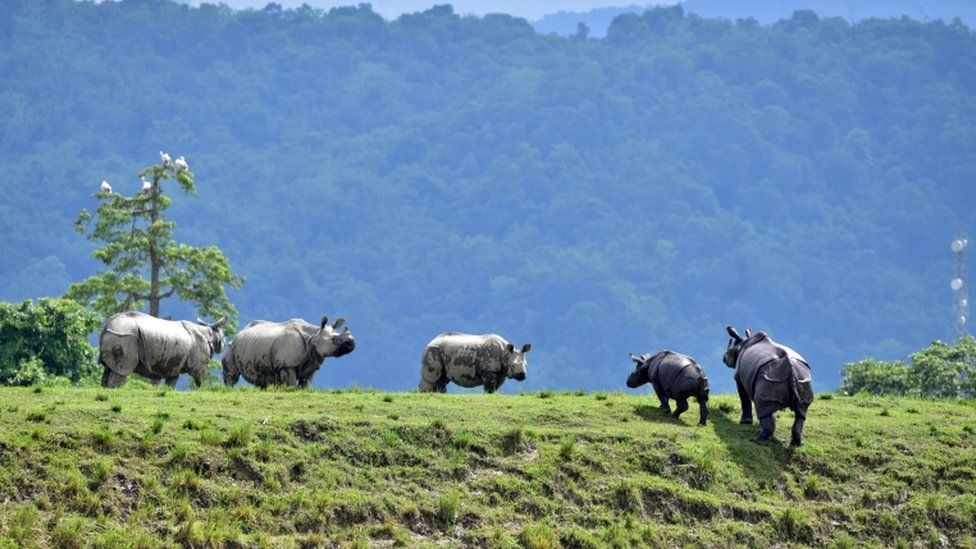
Summer in Kaziranga starts from March and lasts till May. Day temperatures often rise above 35°C. The forest looks dry, and water becomes limited in many areas. Because of shrinking water sources, animals are forced to gather near lakes and ponds. This increases the chances of spotting large mammals like rhinos, elephants, and wild buffalo. Tall grasses also get trimmed before monsoon, which improves visibility.
The biggest advantage of summer is fewer crowds. Safaris feel quieter and more personal. However, the heat can be tiring, especially during afternoon drives. Early morning safaris are more comfortable and rewarding during this season.
Visiting Kaziranga in Winter (November to February)
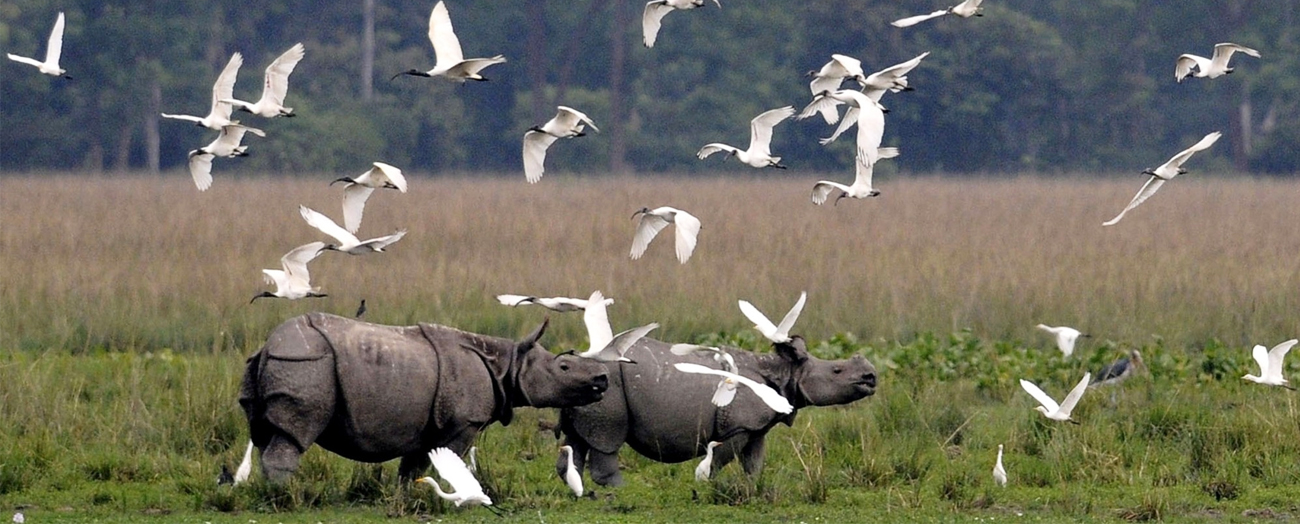
Winter is the most popular season to explore Kaziranga. Temperatures stay between 8°C and 25°C. Mornings can be misty, but days remain pleasant and clear. The forest looks fresh, green, and lively. Animal sightings are frequent in winter. Grasslands open up, making it easier to spot rhinos, deer, and predators. Bird activity also increases as migratory species arrive from colder regions.
Many travellers consider winter the Best time to visit Kaziranga due to the comfortable weather and balanced safari conditions. The only limitation is higher tourist footfall, especially during holidays and weekends.
Summer vs. Winter: A Direct Comparison
Weather comfort: Winter offers cooler and more comfortable conditions, while summer can feel warm during midday.
Wildlife sightings: Summer increases chances of spotting animals near water, whereas winter provides balanced sightings throughout the forest.
Overall safari experience: Winter suits first-time visitors and families. Summer is ideal for wildlife enthusiasts who prefer quieter safaris.
Different tourists have different expectations. Photographers may enjoy summer light conditions, while leisure travellers often prefer winter comfort.
Best Time to Visit Kaziranga
- For Wildlife sighting – Different animals behave differently across seasons. Large herbivores stay close to water in summer, while predators follow prey movement. Water levels and grass height play a major role in visibility. Lower water in summer means clustered sightings.
- For Birdwatching – Kaziranga is also a paradise for bird lovers. Migratory birds arrive during the winter months, especially between December and February. Wetlands and marshes are filled with colourful species from Central Asia and beyond.
Both summer and winter offer unique experiences in Kaziranga National Park. Summer brings intense wildlife moments with fewer crowds, while winter delivers comfort, greenery, and diverse sightings. The choice depends on personal travel style and expectations. No matter the season, Kaziranga remains a remarkable Indian national park, offering unforgettable encounters with nature throughout the year.