Best Time and Zones for Kaziranga Safari Experience
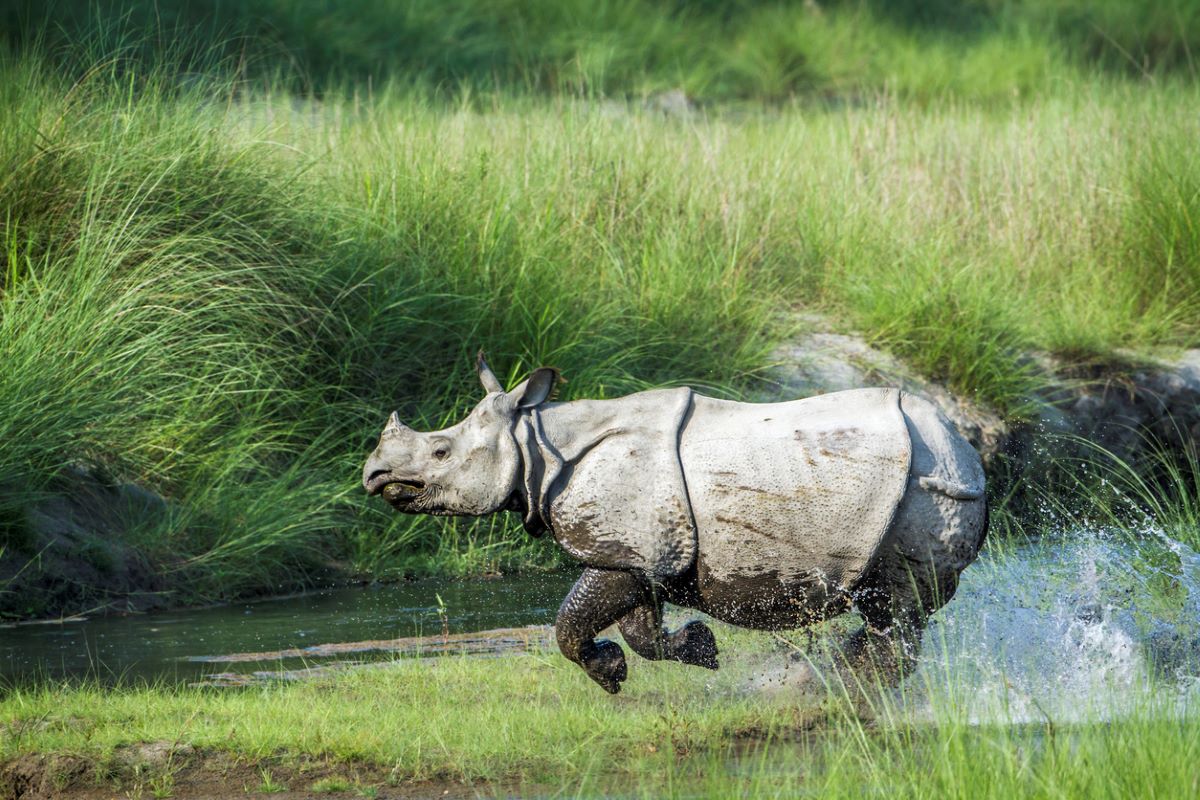
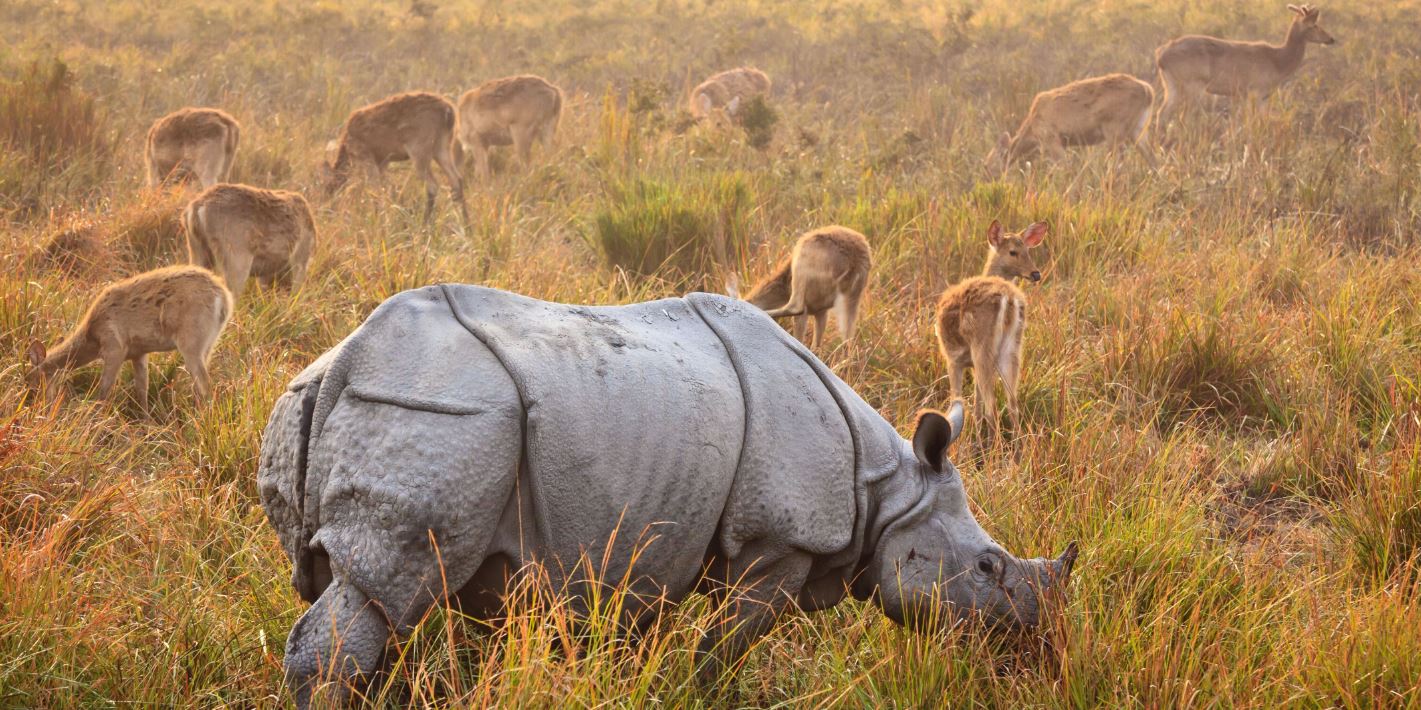
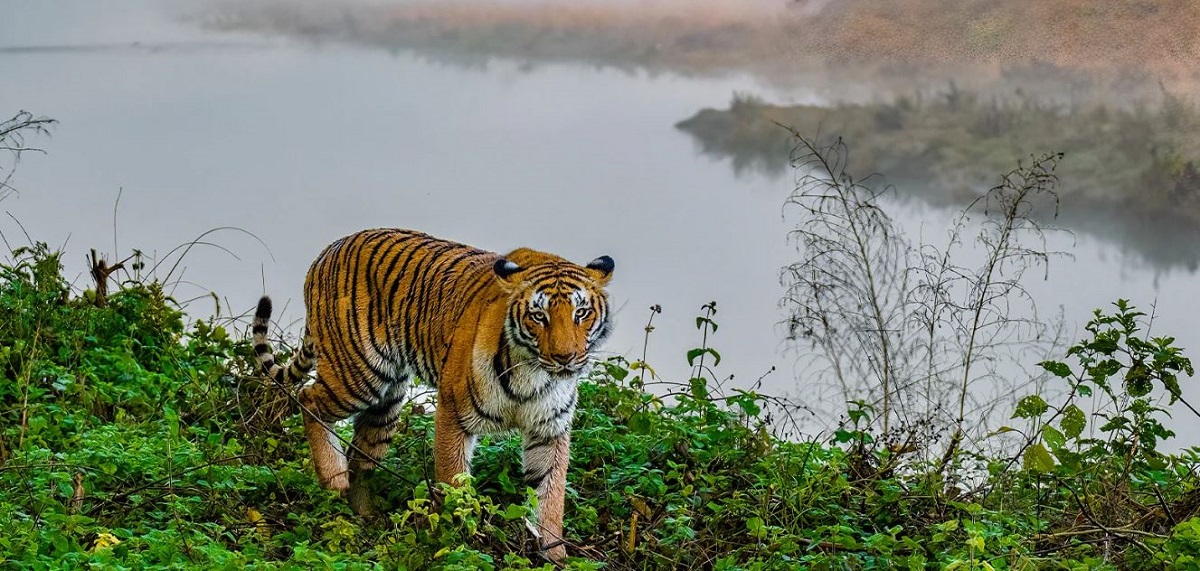
Kaziranga National Park in Assam is one of those places where wildlife feels close and real. It is famous for the one-horned rhinoceros, but that is not all. The park is home to elephants, wild buffalo, swamp deer, and even tigers. Its wide grasslands, forests, and wetlands make every safari feel different. What makes Kaziranga special is how active the animals are. You do not just spot them once and move on. Often, you see herds grazing, birds flying low over water, and deer crossing the track. The park also has a strong mix of resident and migratory birds, which adds colour and sound to the jungle. A safari here is not just about ticking animals off a list. It is about enjoying the open landscape and watching how wildlife moves in its natural space. With the right season and zone, the experience becomes even more rewarding.
Best Time to Visit Kaziranga for Safari Experience
Kaziranga is open for visitors from November to May. Each season offers something different, so choosing the right time depends on what you want to see.
Winter (November to February)
This is the most popular time to visit. The weather stays cool and comfortable, which makes jeep safaris enjoyable. Grass levels are lower, so animals are easier to spot. Rhinos, deer, and buffalo are often seen in open areas. Bird activity is also high during this season, as migratory birds arrive from colder regions. This period is ideal if your focus is on calm weather and mixed wildlife sightings.
Summer (March to May)
Summer can be hot, but it has its own advantages. As water sources dry up, animals gather near rivers and ponds. This increases the chance of spotting elephants, wild buffalo, and sometimes even predators. The tall grass begins to thin out, improving visibility along safari tracks. Early morning safaris are especially rewarding during these months.
How the weather affects safari routes and sightings
In winter, more routes remain open because the ground is dry and firm. In summer, some forest tracks may be limited, but river-side paths become more active with wildlife movement. Light changes also matter. Clear skies help in spotting animals from a distance.
Best months for special sightings
- One-horned rhino: December to April is best, as they are often seen grazing in open fields.
- Birds (migratory and resident): November to February is perfect for anyone interested in a bird-watching tour in India, as wetlands fill up with seasonal visitors like storks and pelicans.
Kaziranga Safari Zones Explained
Kaziranga is divided into four main safari zones. Each zone has its own landscape and wildlife pattern.
- Central (Kohora) Range
- Western (Bagori) Range
- Eastern (Agaratoli) Range
- Burapahar Range
When planning your visit, your choice of zone plays a big role in the outcome. That is why careful Kaziranga safari booking helps in matching your interests with the right area.
Choosing the Right Zone at the Right Time
Season and zone together decide how successful your safari will be. In winter, the Central and Western ranges work best because animals come out into the open grasslands. In summer, Eastern and river-side areas become active as wildlife moves towards water.
The idea is to match your goal with the right zone. Instead of rushing through multiple areas, focusing on one good zone can improve your experience. A good safari at Kaziranga depends on two things: the right season and the right zone. Winter brings comfort and mixed wildlife, while summer increases animal movement near water. Each zone offers a different view of the park, from open grasslands to quiet wetlands. By understanding these patterns, you can plan a visit that feels rewarding and close to nature. Kaziranga remains a strong choice for both wildlife lovers and bird enthusiasts.